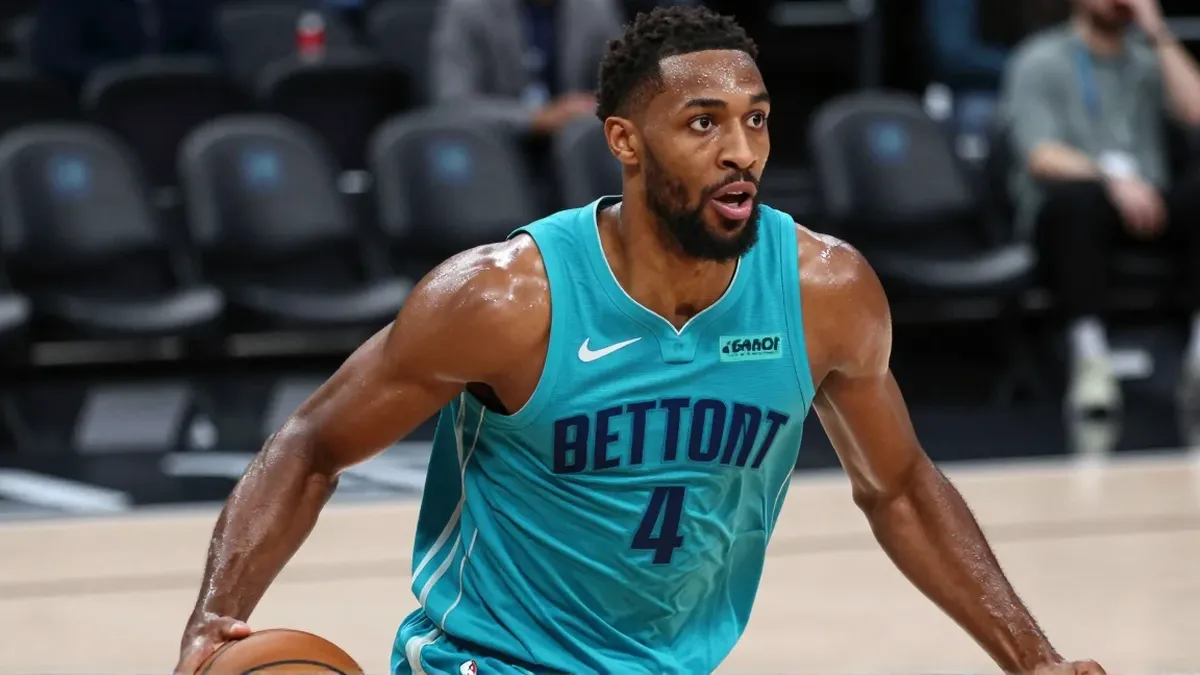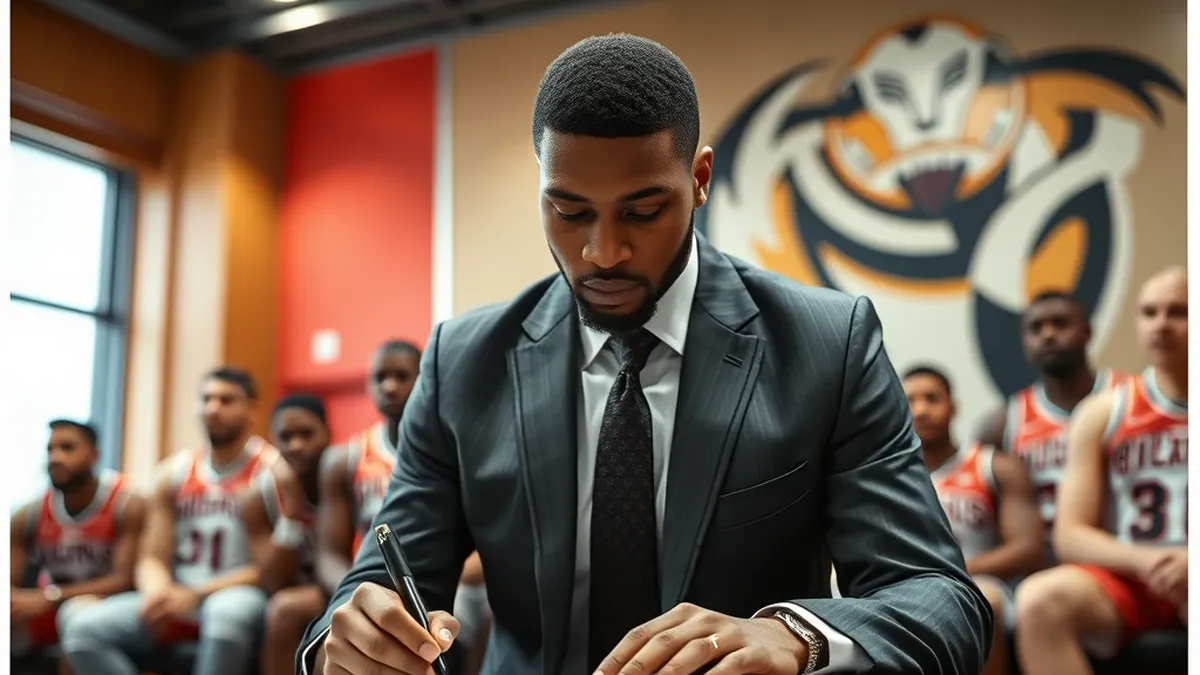
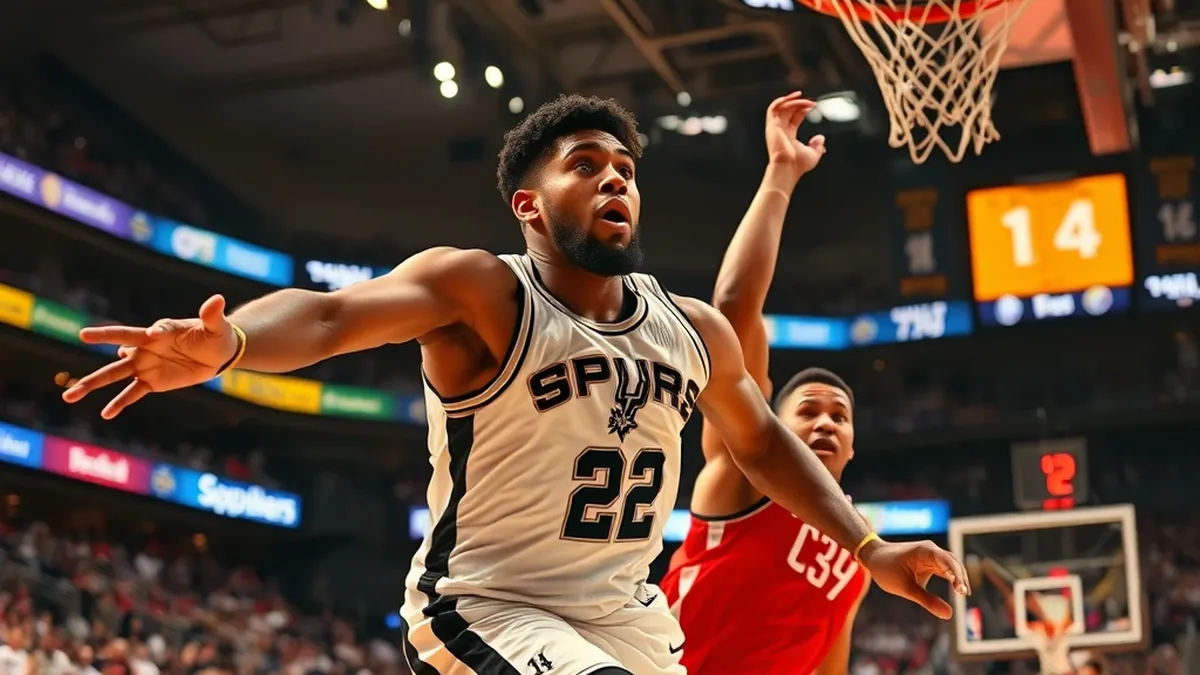
The Detroit Pistons' offseason took a significant turn when veteran forward Tobias Harris signed a two-year, $31 million deal with the San Antonio Spurs, marking a major departure for the Motor City franchise. Harris, who played a key role in Detroit’s 60-win season last year, leaves behind a team that fell short in the Eastern Conference semifinals.
What does Harris' departure mean for the Pistons?
Harris, a 15-year NBA veteran, was a steady presence for the Pistons, but his mid-range game didn’t align with Detroit’s need for perimeter shooting. The Pistons struggled from beyond the arc last season, a weakness exposed by the Cavaliers in the playoffs. With Harris gone, Detroit now shifts focus to a more modern, three-point-oriented roster.
How are the Pistons rebuilding?
The Pistons wasted no time replacing Harris, signing power forward John Collins, who shot over 40% from three-point range last season. They also acquired sharpshooter Isaiah Joe from the Oklahoma City Thunder, another player with a 40%+ three-point connection rate. These moves signal a clear intent to surround All-NBA point guard Cade Cunningham with better spacing and floor-stretching talent.
What’s next for Detroit?
With a revamped roster, the Pistons aim to address their playoff shortcomings while maintaining their dominance in the paint. The loss of Harris, a respected locker-room leader, leaves a void, but the additions of Collins and Joe bring youth and shooting-critical elements for competing in the modern NBA. As Detroit prepares for the 2026-27 season, the focus shifts to how these new pieces will gel with Cunningham and center Jalen Duren.