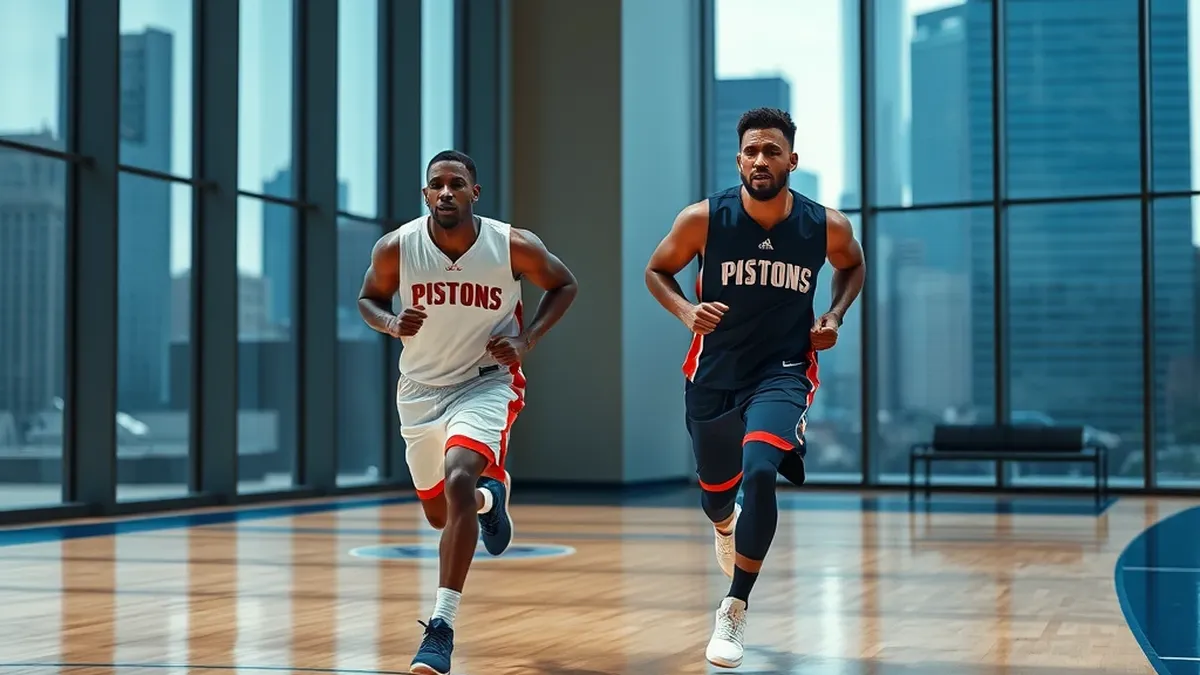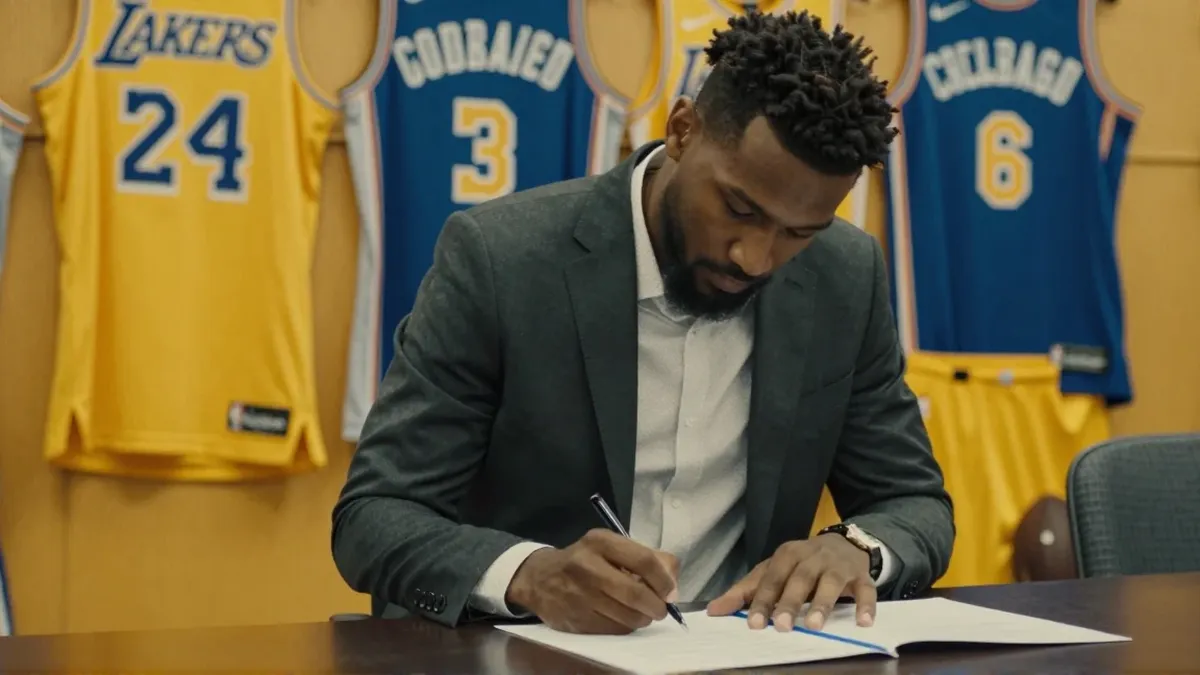

Detroit Pistons pulled off a savvy draft‑night trade‑up on June 26, 2026, acquiring a higher pick and additional assets that analysts say deliver solid value for a franchise looking to rebound.
What happened?
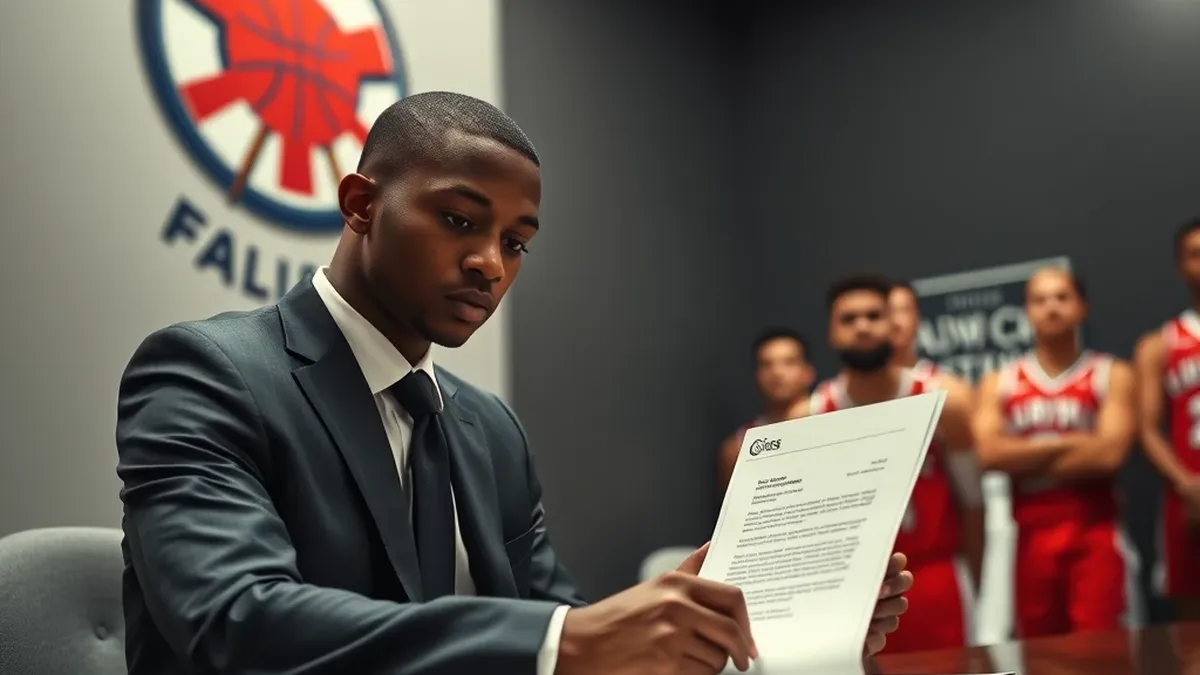
The Pistons packaged their original second‑round selection and a future first‑rounder to climb into the late first round, landing the 28th overall pick. In return, they received the 22nd pick, a veteran guard, and a protected second‑rounder. The move was orchestrated by General Manager Troy Weaver, who emphasized the need for a player who can contribute immediately on both ends of the floor.
Why it matters for Detroit Pistons
Securing a higher pick gives Detroit a shot at a wing who averaged 12.4 points, 4.2 rebounds, and 2.1 steals per game in the NCAA. Those numbers translate well to the Pistons' defensive identity under head coach Monty Williams, who favors aggressive perimeter pressure and quick transition offense. Adding a veteran guard also provides depth for the backcourt, allowing the team to run more pick‑and‑roll sets without overtaxing Cade Cunningham’s minutes. The trade‑up aligns with Detroit’s goal of improving its FG% and defensive rating, metrics that have lagged behind the Eastern Conference average.
What’s next for the franchise?
With the new rookie set to join training camp in September, the Pistons will experiment with lineups that blend the rookie’s shooting range with the veteran’s playmaking. If the rookie can hit the 3‑point line at a 38% clip, Detroit could stretch its floor and open lanes for Jaden Ivey’s drives to the paint. And the front office hopes the trade‑up will spark a bounce‑back that ends the season on a higher note.
How does this fit into the bigger picture?
By injecting fresh talent and experience, the Pistons hope to tighten their paint protection and improve rebounding, targeting a sub‑45% opponent FG% by season’s end. The trade‑up may not guarantee a playoff berth, but it gives the club a tangible piece to build around, shifting the narrative from rebuilding to retooling.
The Pistons’ front office will monitor the rookie’s adaptation to NBA speed, while the veteran guard’s veteran leadership could help younger players understand spacing and ball‑movement fundamentals. So, Detroit’s draft‑night maneuver could become the catalyst for a more competitive roster, provided the pieces click on the hardwood.