
Detroit Pistons secure John Collins to boost frontcourt versatility
Detroit Pistons announced a three‑year, $51 million contract for John Collins, a stretch‑four who hit 40.6% from three‑point range last season.
Why the trade matters for Detroit Pistons
Collins replaces Tobias Harris, who left for the San Antonio Spurs on a two‑year deal. Unlike Harris, whose production lingered in the mid‑range, Collins can pull up from beyond the arc, creating space for Cade Cunningham and Jalen Duren. His ability to finish at the rim also adds a new dimension to the Pistons’ pick‑and‑roll sets, forcing opponents to respect both the perimeter and the paint.
How Collins fits the Motor City system
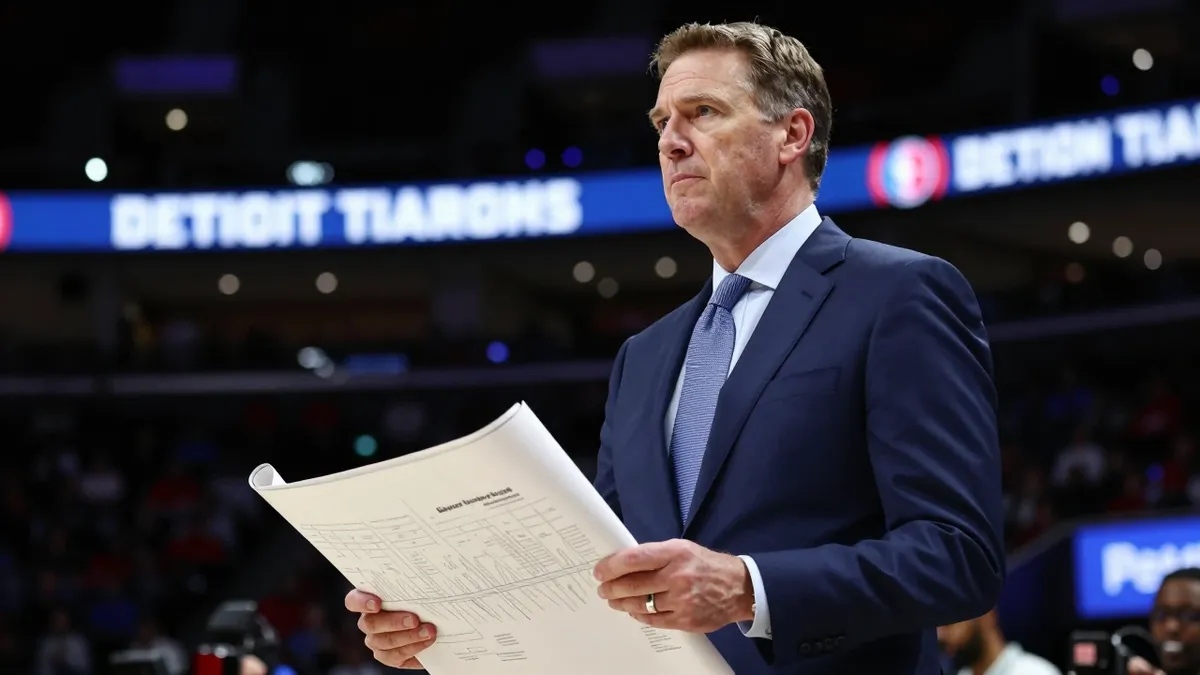
Trajan Langdon, Pistons President of Basketball Operations, highlighted Collins’ blend of veteran savvy and youth. At 27, Collins knows the grind of an NBA schedule but still offers upside that younger power forwards lack. His contract includes a team‑option after the first year, giving Detroit flexibility if the frontcourt chemistry shifts during the season.
What to expect next season
With Collins in the lineup, Detroit can run more diversified offensive sets. When he spreads the floor, Cunningham gains clearer lanes to the basket, while Duren can operate in the low post without crowding the paint. Defensively, Collins’ 6‑9 frame and athleticism should improve rebounding margins.
The broader impact on Detroit’s playoff outlook
The Pistons entered the 2025‑26 playoffs as a top‑seed team but fell in the Eastern Conference Semifinals, exposing a lack of balance. Adding a player who can both shoot and protect the rim directly addresses that gap.
Bottom line for fans and analysts
John Collins brings a rare mix of perimeter shooting and inside scoring to a Pistons roster that needs both. His three‑year deal provides Detroit with a flexible asset that can be moved if the fit isn’t right, but the immediate upside is clear: more spacing, better rebounding, and a frontcourt that can finish at the rim. The Pistons’ next chapter hinges on how quickly Collins integrates with Cunningham and Duren, and whether that integration can translate into postseason success.