
The Detroit Pistons are at a crossroads this offseason, and the future of Ron Holland looms large over the franchise’s plans. With a mix of raw talent and potential, the question isn’t just whether he’ll be a trade asset, but whether he can emerge as a cornerstone for years to come. Fans and analysts alike are eager to dissect how this decision will impact the team's trajectory.
Ron Holland: A Quick Overview
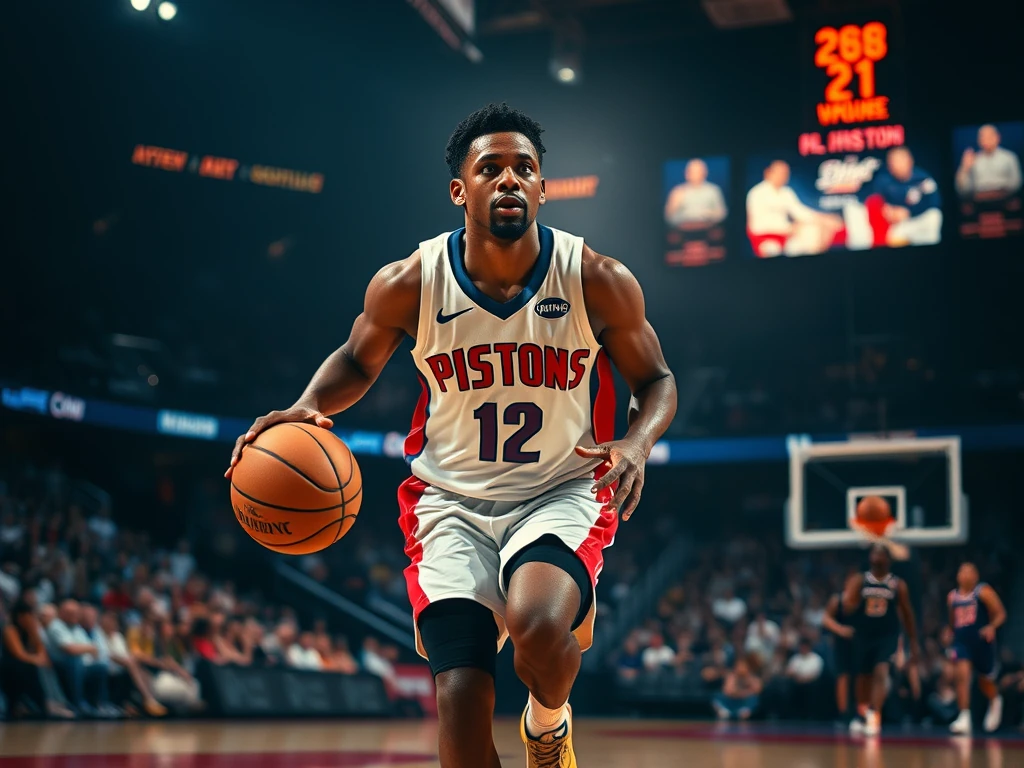
Ron Holland, a promising prospect, has been turning heads with his performances in the NBA G League. Standing at 6 feet 8 inches and known for his versatility, Holland has showcased an ability to score, rebound, and defend effectively. During the 2022-2023 season, he averaged 15.4 points, 6.2 rebounds, and 3.1 assists per game, demonstrating his capability to contribute in multiple facets of the game.
His skill set makes him an intriguing prospect for the Pistons. Not only does he offer the potential for immediate impact, but he also brings flexibility to the roster. Holland has shown he can adapt to different roles on the court, whether that's as a wing player or even stepping into a small-ball forward position.
The Trade Asset Proposition
The trade market is ever-evolving in the NBA, and Holland could be viewed as a significant asset for the Pistons should they choose to pursue trades for established players. The franchise has a history of making bold moves to reshape their roster, and Holland's young age adds to his appeal as a trade piece.
- Pros for trading Holland: - High potential: His age and performance suggest he could fetch a valuable return. - Depth in positions: The Pistons have other players who can fill the positions Holland plays, potentially making him expendable. - Cap flexibility: Trading a young prospect could open up salary cap space for veteran signings.
However, the gamble lies in the uncertainty of what they could receive in return. Teams in the NBA often demand a premium for young talents, and the Pistons need to weigh whether a trade would yield a player who can significantly elevate their current roster.
The Cornerstone Argument
On the flip side, the Pistons might find it more beneficial to view Holland as a foundational piece moving forward. As they look to build a competitive team, having a young player with the potential to develop into a star can be crucial.
- Arguments for keeping Holland: - Versatile skill set: His ability to score from the perimeter while also contributing defensively makes him a valuable asset. - Youth movement: The Pistons are in a rebuilding phase; having young talent like Holland can accelerate this process. - Chemistry development: Keeping him allows for building on-court chemistry with other young players, such as Cade Cunningham and Jaden Ivey.
If the Pistons retain him, there’s an opportunity for Holland to grow alongside the team, potentially leading to greater success in the future. For a team looking to emerge from the depths of the standings, nurturing homegrown talent is often the best strategy.
What This Means for Detroit Pistons
For Pistons fans, the decision surrounding Ron Holland is about more than just evaluating stats or potential trades. It represents a larger philosophy about how the team intends to build its future. If the front office opts to trade Holland, it signifies a win-now mentality, looking to capitalize on immediate returns rather than fostering long-term growth.
Conversely, choosing to keep Holland could signal a commitment to patience and development, which is crucial for a franchise that has struggled in recent years. Fans should be prepared for either outcome, but understanding the implications of these choices is essential for gauging the Pistons' direction.
The Wider Championship Picture
In the context of the NBA, the Pistons’ decision concerning Holland could have implications beyond their own roster. The league is increasingly driven by young talent, and teams are looking to build their cores around promising players. A trade involving Holland could impact rival franchises looking to boost their playoff chances.
Moreover, as teams like the Milwaukee Bucks and Boston Celtics continue to dominate, the Pistons must assess how they fit into this competitive landscape. They need to decide whether they want to quickly retool for a competitive push or slowly build with the potential of young players like Holland.